For more than a decade, Utah lawmakers have worked to protect personal privacy by placing clear limits on how law enforcement can use automatic license plate readers (ALPRs).
Since 2013, the Utah Legislature has strengthened these safeguards by restricting access to license plate data, limiting how long information can be stored, requiring transparency and oversight, and establishing criminal penalties for misuse. As license plate reader technology continues to evolve, Utah lawmakers are committed to ensuring that privacy protections keep pace to protect the constitutional rights of Utahns.
The principle is straightforward: Utah law should safeguard the privacy and constitutional rights of Utahns while ensuring law enforcement has the tools necessary to protect public safety.
What Are Automatic License Plate Readers?
Automatic license plate readers, commonly called ALPRs, are cameras that capture license plate numbers and other identifying vehicle features. The cameras can be installed along roads or mounted on police vehicles.
In 2027, the Legislature will push additional reforms that strengthen oversight, protect personal information, and establish clearer limits on how license plate reader technology may be used.
How Utah Lawmakers Have Strengthened Privacy Protections
Utah began regulating automatic license plate readers in 2013 with SB 196, establishing statewide restrictions on how government agencies could use the technology.
Since then, lawmakers have passed additional legislation to strengthen privacy protections and establish clear rules for law enforcement.
Utah’s laws include:
- Limits on when law enforcement can access license plate information
- Restrictions on access to criminal justice databases
- Requirements for public policies and permits
- Limits on how long collected information can be stored
- A prohibition on selling captured license plate data
- Recordkeeping and auditing requirements
- Criminal penalties for knowingly misusing the information
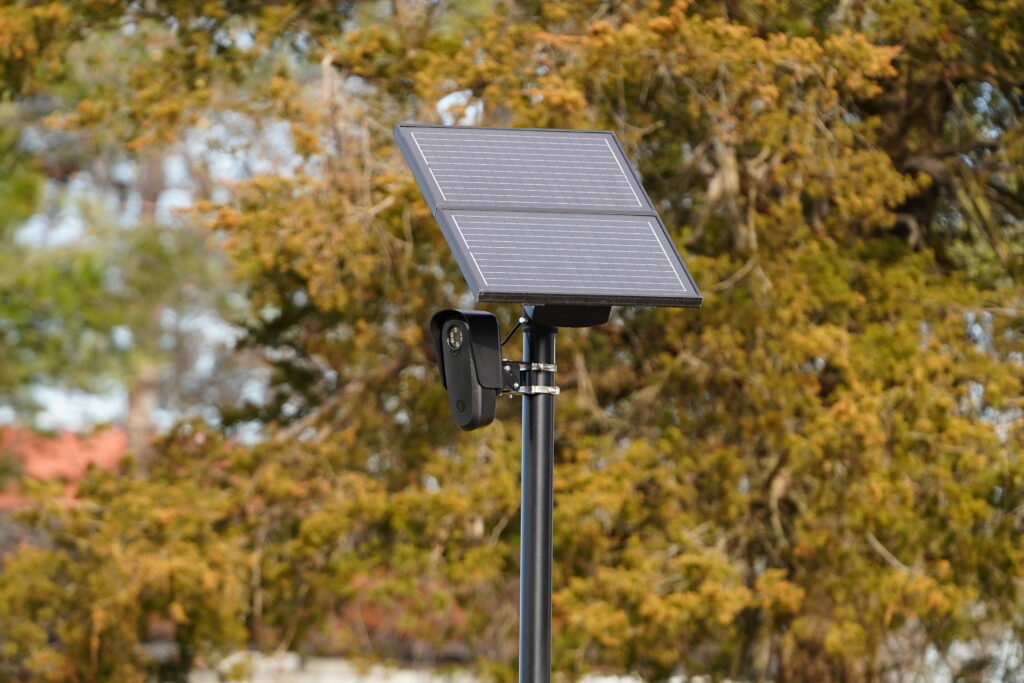
Limiting When Police Can Use License Plate Readers
Utah law limits the circumstances in which law enforcement can access information collected by automatic license plate readers.
In 2023, lawmakers passed SB 250, carried in the House by Rep. Ryan Wilcox, to establish more specific restrictions. Under the legislation, law enforcement access to license plate data is limited to certain public safety purposes:
- Investigating an active crime
- Finding individuals with outstanding arrest warrants
- Locating missing or endangered people
- Identifying stolen vehicles
Lawmakers added more restrictions in 2024 through SB 45, carried in the House by Rep. Steve Eliason.
The legislation limited how ALPR systems can access the Utah Criminal Justice Information System (UCJIS), the state’s criminal justice information-sharing system. Under these restrictions, ALPR access to UCJIS is limited to:
- Checking vehicle registration
- Confirming vehicle identification
- Verifying insurance information
- Identifying stolen vehicles
Criminal Penalties for Misusing License Plate Data
Utah’s restrictions on license plate readers carry legal consequences.
A person who knowingly or intentionally uses ALPR data in violation of state law may be charged with a Class B misdemeanor. That offense carries a potential penalty of up to six months in jail, a fine of up to $1,000, or both.
Protecting License Plate Data Through Privacy Safeguards and Oversight
Utah law establishes strict limits on how license plate data may be stored, shared and retained, while requiring law enforcement agencies to maintain public policies governing their use of the technology.
Government agencies generally may not retain ALPR data for more than nine months unless a specific statutory exception applies, such as a preservation request, court order or warrant. Information that is no longer needed for an authorized purpose must be destroyed as soon as reasonably possible in an unrecoverable manner.
The law also prohibits government entities from selling captured license plate data or using that information for purposes outside those specifically authorized by statute.
To ensure transparency and accountability, law enforcement agencies must:
- Adopt written policies explaining how ALPR systems will be used, managed and audited
- Obtain a special-use permit from the Utah Department of Transportation before installing a stationary camera on a state highway
- Make their ALPR policies and applicable permits available to the public on a government website
- Maintain records of ALPR searches for at least five years, including the type of crime being investigated and the associated incident number
These requirements establish clear standards for handling license plate information while providing public transparency and oversight of law enforcement’s use of the technology.
Additional Privacy and Security Requirements for Law Enforcement
Beyond the requirements established by the Legislature, Utah law enforcement agencies have adopted policies governing who can access ALPR systems and how that information must be handled.
The Utah Department of Public Safety and other agencies restrict access to authorized personnel who have received appropriate training.
Agency policies generally include:
- Password-protected systems
- Restrictions on who can access license plate information
- Records showing when information was accessed and by whom
- Regular audits to identify improper use
- Requirements to verify ALPR alerts before taking enforcement action
Frequently Asked Questions About License Plate Readers and Privacy in Utah
What are Flock cameras?
Flock Safety is a company that provides automatic license plate reader (ALPR) technology. These cameras capture license plate information that can help identify stolen vehicles, locate missing people and investigate crimes. Utah law establishes restrictions on how ALPR technology, including systems provided by companies like Flock, can collect, access, use and store that information.
Can police use license plate readers to track a vehicle?
Utah law strictly limits when law enforcement can access and use information collected by license plate readers. Access is restricted to specific public safety purposes, such as investigating crimes, identifying stolen vehicles and locating missing or endangered individuals. These safeguards help prevent unauthorized monitoring and protect the privacy of Utah motorists.
How long can police keep license plate reader data?
Utah law generally prohibits government agencies from retaining captured license plate data for more than nine months, with limited exceptions. Information that is no longer needed for an authorized purpose must be destroyed as soon as reasonably possible.
Can police sell or share my license plate information?
No. Utah law prohibits government entities from selling captured license plate data and places restrictions on how that information may be accessed, shared and used.
What happens if law enforcement misuses license plate reader data?
Knowingly or intentionally using captured license plate information in violation of Utah law can result in criminal penalties, including a Class B misdemeanor. Law enforcement agencies must also maintain records of ALPR searches to support oversight and accountability.
For more on the Utah House Majority’s policies, visit the House Majority website. To read the official bill text, visit le.utah.gov.