Speaker Updates
For the sixth year in a row, taxes were cut, bringing the total income tax reduction to 11%. That’s a sustained commitment to helping Utahns keep more of what they earn. We also expanded the Child Tax Credit and made childcare more affordable and accessible, providing real support for working families.
Starting July 1, 2026, a 15% gas tax cut will deliver immediate savings every time Utahns fill up their tanks.
But this session wasn’t just about lowering costs. It was also about strengthening families for the long term. Investments in youth mental health, early intervention, and education will help ensure children have the support they need to succeed. We also prioritized early literacy, public education, and career and technical training — recognizing that opportunity starts both in the classroom and through hands-on learning.
This session we lowered costs, strengthened families, and protected our kids to secure a brighter future for Utah.
SALT LAKE CITY (Feb. 23, 2026) – Today, state leaders and industry partners announced strategic agreements to enhance fuel supply, support refining capacity, secure water resources, and reduce the state gas tax to provide direct relief and make life more affordable for Utah families.
H.B. 575, sponsored by Rep. Cal Roberts, streamlines permitting and reduces regulatory barriers for pipelines entering the state to increase fuel supply. While structural improvements take time, Utah drivers will see immediate relief. Beginning July 1, Utah’s gas tax will be reduced by 15%, providing direct savings to families every time they fill up at the pump. Additionally, the state and industry will look to expand pipelines and storage opportunities, allowing refineries to increase seasonal supply and support elevated demand. The agreement will strengthen Utah’s position as a reliable energy-producing and refining state while supporting economic growth and consumer affordability.
Utah state leaders have also agreed to sign a Memorandum of Understanding (MOU) with Idaho to address constraints and explore opportunities to provide long-term, sustainable water supply on the Bear River system. By working across state lines, we’re strengthening regional cooperation and securing vital water resources for Utah.
“Utah is choosing an abundance mindset,” said Governor Spencer Cox. “That means we don’t wait for problems to hit families at the pump or communities in a dry year. We build the partnerships and the infrastructure that keep life affordable and our state resilient. We owe our kids a future that is reliable, affordable, and firmly in our hands.”
“We are cutting taxes for families for the sixth year in a row while strengthening the foundation of our strong economy,” said President J. Stuart Adams. “Through collaboration, we are expanding fuel supply, securing long-term water security and a reliable energy future, and stabilizing the essentials Utahns rely on. When there is reliability, businesses invest and families can plan their future with confidence today and for generations to come.”
“Utah families are feeling the impact of high gas prices, and they deserve real solutions,” said Speaker Mike Schultz. “If you want lower prices, you have to increase supply. It’s that simple. This agreement will bring in nearly 800,000 additional gallons of fuel into the market every single day, boosting competition and putting real downward pressure on prices at the pump. This win-win solution will boost supply, lower prices, and provide much-needed relief right away to Utah families.”
“We are committed to our employees, our communities, our neighbors and the State of Utah,” said Rikki Hrenko-Browning, President of Utah Petroleum Association. “We look forward to a productive working relationship with the State of Utah to continue to grow refined product output and to further solidify Salt Lake City as a leading fuels hub and energy provider for Utah and the Intermountain West.”
“Whether it’s flowing water down the Bear River or the flow of fuel through our refineries, Utah is committed to leading out with our partners,” said Executive Director Joel Ferry of the Utah Department of Natural Resources. “By creating bold and innovative solutions with the petroleum industry and our neighbors in Idaho, we are ensuring Utah remains the best place to live, work and raise a family.”
For Utahns, election security comes down to one thing: trust. Trust that every vote counts and every election is fair. That confidence is essential to a healthy democracy. Voting is one of our most important rights. Taking reasonable steps to protect it only strengthens public confidence.
Utah families know what it means to live within a budget. When costs rise, they step back and ask the hard questions: What do we really need? What’s working? And what can we live without? It’s a reasonable expectation that government should do the same.
As legislators, there is no responsibility more important than being good stewards of your hard-earned dollars. That’s why we’ve asked every state agency and appropriations committee to take a close look at their budgets — identifying programs that are underperforming, duplicative, or no longer serving their purpose.
This isn’t about cutting what matters. Core services will always be funded. But at a time when life is getting more expensive, we have a duty to eliminate spending that doesn’t deliver real value — and either reinvest those dollars in programs that do or return them to the people who earned them.
We’ve already seen this approach work. Last year, higher education institutions saved more than $60 million by trimming administrative costs and low-performing programs. Those savings were redirected to strengthen workforce-focused education and, in some cases, reduce costs for students.
Utah’s approach is unique: we balance our budget every year, and every legislator plays a role in shaping it — ensuring voices from across the state are heard.
That’s what responsible government looks like: leaner, more accountable, and focused on results — so more money stays where it belongs, with Utah families.
Strong families are the backbone of Utah. They’re what make our state such a great place to live, work, and raise kids. That’s why families are our top priority this legislative session. Utah families today are facing real challenges. Rising costs of living, housing prices, and property taxes are putting pressure on everyday budgets. That’s why we’re focused on making it easier for families to stay here, put down roots, and keep more of what they earn.
We’re also committed to protecting our kids in a rapidly changing world. Technology like social media and artificial intelligence brings opportunity, but also real risks. Parents deserve a voice, and kids deserve safeguards.At the same time, we’re strengthening education by expanding career and technical pathways so every student has a clear path to success, reducing classroom distractions like cell phones, and ensuring college students get real value for their investment.
At the end of the day, it all comes back to one goal: putting families first and making Utah the best place to start, grow, and raise a family.
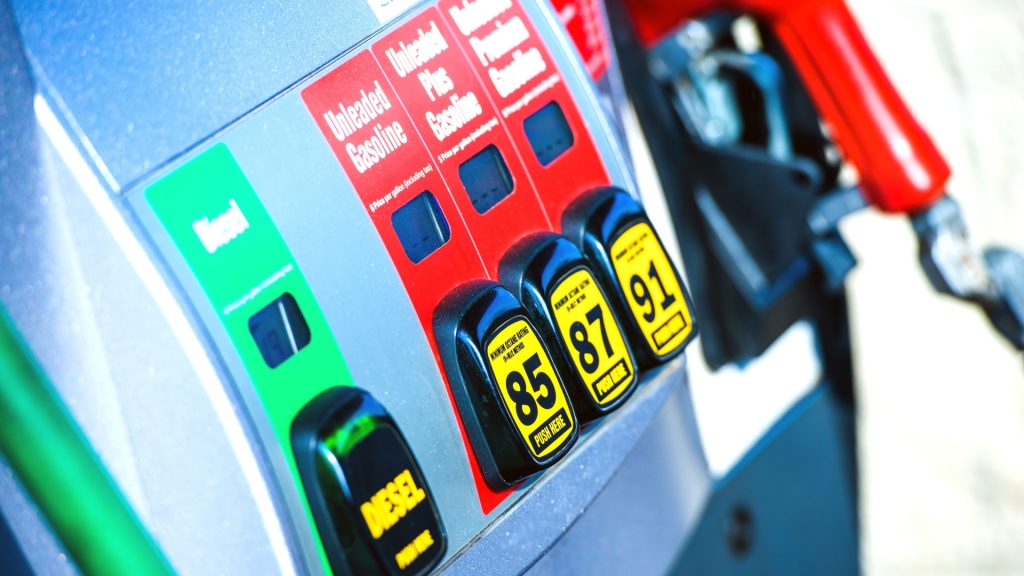
Utah House Speaker Mike Schultz said Utah lawmakers are continuing work to keep energy affordable for families, as national fuel prices fall but drivers in Utah still feel squeezed.
“Four years ago, we started asking tough questions about Utah’s energy crisis,” Schultz said in an October update. “It wasn’t an easy conversation for anyone. But that’s our job as lawmakers to ask questions, push for answers, and always keep Utah families in mind. And guess what? Now we are seeing the results.”
Utah boasts some of the lowest energy costs in the nation because of the state’s all-of-the-above approach to power generation. Still, Schultz said, the regional gas market tells a different story. “Gas prices are dropping,” he said. “Yet, here in Utah – we haven’t seen the same relief – even though we have five refineries right here in our own front yard.”
Utah produces about 1.5 times the fuel it consumes; yet, Utahns don’t see the benefit at the pump.
A legislative analysis shows Utah builds refining capacity while bearing the full impacts on air quality and infrastructure, while neighboring states collect the sales tax revenue on exported fuel. Broader taxation approaches on fuel manufacturing could help lower pump prices for Utahns over time.
The state’s five refineries produce roughly 220,000 barrels of fuel per day, but up to 75,000 barrels are exported to meet demand in neighboring states. Schultz said, Utahns bear the full burden of those costs while other states share in the benefits. “I want a better deal than that,” he added.
House and Senate lawmakers are working closely with “refinery operators, fuel leaders and key stakeholders to push for lower gas prices for Utah drivers” as part of broader efforts to keep life affordable across the state. Policymakers are reviewing tax policy reforms that could ensure Utah drivers receive more of the economic benefit from locally refined fuel.
The speaker said Utah refineries are important to the state’s economy and workforce. However, states like California have adopted restrictive clean-fuel rules, reducing refinery capacity by about 12 percent in the past decade and driving up wholesale gasoline costs on the West Coast. That creates a supply pull into states such as Nevada and Idaho that compete for compliant fuels, raising costs in Utah as well.
“There’s only so much we can do as a state to impact gas prices, but we’re going to do what we can to ensure Utahns get a fair shake at the pump,” Schultz said. He added that higher fuel prices drive up costs for families on essentials like groceries and deliveries.