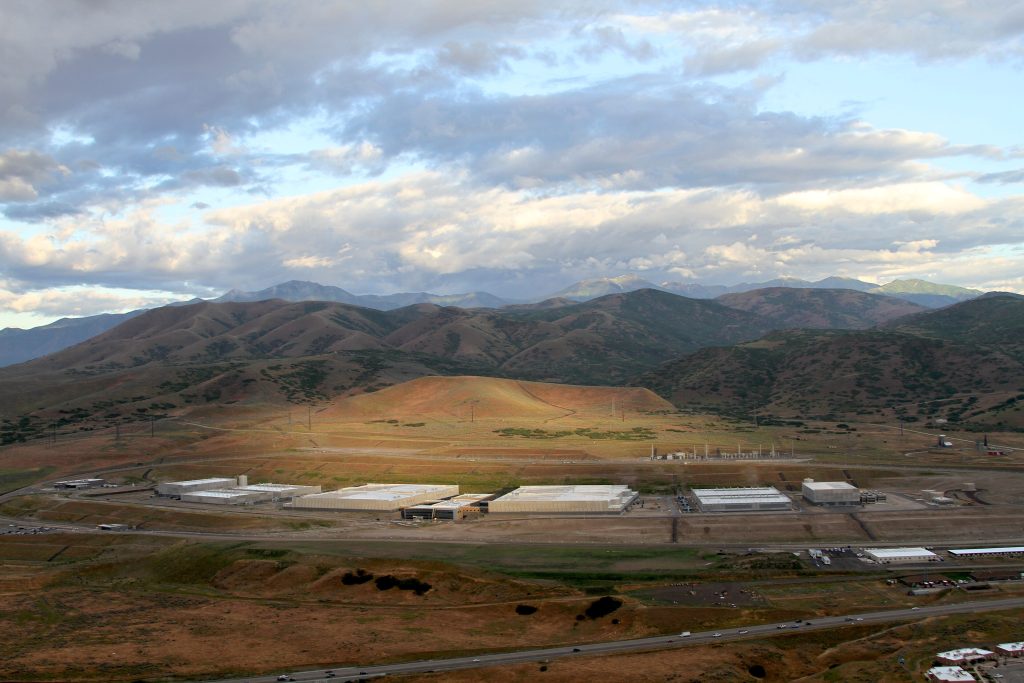
Utah lawmakers have put significant safeguards in place for new data center developments, with protections for electricity ratepayers, water resources, air quality, taxpayers, and other natural resources.
According to the Kem C. Gardner Policy Institute, Utah has 48 operational data centers with more than 920 megawatts of capacity. Seven projects under construction are expected to add approximately 2,600 megawatts, including 1,700 megawatts expected to operate behind the meter or off the electric grid.
Over the past two legislative sessions, the Legislature has strengthened oversight of large electricity loads, required greater transparency around data center water use, maintained environmental and public health review, and placed new limits on taxpayer incentives.
Lawmakers are continuing that work during the interim with a focus on local input, community benefits, air quality, water, and other natural resource concerns.
Utah Data Center Energy Policy: Protecting Existing Ratepayers
A central piece of Utah’s data center policy is ensuring the cost of supplying electricity to large new data centers isn’t passed on to existing customers.
SB 132, passed in 2025 and sponsored by Sen. Scott Sandall and Rep. Colin Jack, established specific requirements for providing electricity to large-scale loads. The law requires the Utah Public Service Commission to review large-load contracts, requires separate accounting for the costs of serving those customers, and prohibits those costs from being shifted onto other electricity customers.
The law also requires financial security and insurance for large-scale service and establishes requirements for large customers that obtain electricity from private generation providers.
Together, those provisions establish a clear guardrail: Existing Utah households and businesses should not bear the electricity costs created by large new power users.
Data Center Water Use: Increasing Transparency
Utah lawmakers have also established new requirements to give the public greater transparency into data center water use.
HB 76, Data Center Water Transparency Amendments, passed in 2026 and sponsored by Rep. Jill Koford, requires new large data centers to report water information to the state before construction and annually after beginning operations.
Before construction, covered projects must provide information about expected water sources and use, including plans for water reuse or replacement. Once operational, large data centers must report their actual annual water withdrawals and efforts to reduce water consumption.
The law also requires the state to publish water withdrawal information for covered data centers online, giving Utahns greater visibility into water use associated with individual facilities.
Data Center Tax Incentives: Establishing Limits and Oversight
The Legislature has also placed tighter limits and additional oversight on economic development incentives available to large data centers.
HB 507, passed in 2026 and sponsored by Rep. Cal Roberts, established new requirements for regionally significant development projects.
The law generally prohibits local governments from providing incentives to large data centers and other large energy users outside of a Regionally Significant Development Zone. It also established additional requirements for projects with significant energy implications.
For data centers, property tax incentives are generally capped at 60% of the new county revenue generated by a project and cannot exceed 80%.
These changes establish clearer limits on how taxpayer incentives can be used and additional oversight for large developments.
Utah Water Law: Maintaining Environmental Review
Existing state and federal air quality requirements also apply to data center projects.
The Utah Department of Environmental Quality and Division of Air Quality evaluate projected emissions, review applicable permitting standards, and require emissions-control technologies where necessary to meet air quality requirements.
Draft air quality permits require public notice and a 30-day public comment period. These requirements apply to applicable emissions associated with a project, including on-site power generation and backup generation.
Utah Air Quality: Permitting and Public Review
The Legislature has also placed tighter limits and additional oversight on economic development incentives available to large data centers.
HB 507, passed in 2026 and sponsored by Rep. Cal Roberts, established new requirements for regionally significant development projects.
The law generally prohibits local governments from providing incentives to large data centers and other large energy users outside of a Regionally Significant Development Zone. It also established additional requirements for projects with significant energy implications.
For data centers, property tax incentives are generally capped at 60% of the new county revenue generated by a project and cannot exceed 80%.
These changes establish clearer limits on how taxpayer incentives can be used and additional oversight for large developments.
Protecting Water, Wildlife and Natural Resources
Utah’s existing permitting and environmental review processes provide additional safeguards for water, wildlife, and other natural resources.
Data center projects requiring water permits are subject to applicable state approval requirements, including public notice and opportunities for public input. State agencies also review drinking water systems, water quality protections, and other applicable environmental requirements.
State wildlife officials may review potential impacts to wildlife and recommend steps to avoid, minimize, or mitigate harm as project plans are submitted.
Projects involving public lands or other natural resource impacts may also be reviewed through Utah’s Resource Development Coordinating Committee, which coordinates state review of potential impacts to public lands, wildlife, and natural resources.
What Utah Lawmakers Are Considering Next
Utah lawmakers are continuing to study data center impacts during the 2026 interim, including whether additional safeguards are needed to strengthen local input, ensure communities receive appropriate benefits from major developments, and protect Utah’s air quality, water, and other natural resources.
House Speaker Mike Schultz said lawmakers want a clearer understanding of both the appropriate scale of data center development in Utah and its potential impacts.
“One thing that I think we’re united on is we do not want a state full of data centers,” Schultz said. “What is the appropriate amount that’s acceptable? What’s not the appropriate amount? And having a true understanding of what the impact is both on the economic side and the natural resources side, water use and other types of things that we need to truly understand.”
That work builds on protections enacted over the past two legislative sessions, including safeguards against shifting electricity costs to existing ratepayers, public water-use reporting requirements, limits on property tax incentives, and existing state environmental review and permitting requirements.
Frequently Asked Questions About Data Centers in Utah
How many data centers are operating in Utah?
According to the Kem C. Gardner Policy Institute, Utah has 48 operational data centers with more than 920 megawatts of capacity. Seven projects under construction are expected to add approximately 2,600 megawatts of capacity, including 1,700 megawatts expected to operate behind the meter or off the electric grid.
Can data center electricity costs be passed on to existing Utah ratepayers?
Utah law includes specific protections against cost shifting. SB 132 requires separate accounting for the costs of serving large electrical loads and prohibits those costs from being shifted onto other electricity customers. The Public Service Commission is also required to review large-load contracts.
Does Utah track how much water data centers use?
HB 76 requires new large data centers to report actual annual water withdrawals and other water information to the state. The state is required to make water withdrawal information publicly available online.
Are data centers subject to Utah’s environmental regulations?
Yes. Applicable state and federal air and water quality requirements remain in place. Depending on the project, state agencies may review air emissions, water quality, drinking water systems, wildlife, public lands, and other natural resource impacts.
Does Utah limit tax incentives for data centers?
Yes. HB 507 established additional oversight and limits for incentives involving large data centers. Property tax incentives are generally capped at 60% of new county revenue generated by a project and cannot exceed 80%.
What additional data center policies is the Legislature considering?
Lawmakers are continuing to study potential additional safeguards during the interim, with a focus on local input, community benefits, air quality, water, and other natural resource concerns.