Utah has permanently secured public access to more than 50,000 acres of wildlife-rich land in the Book Cliffs roadless area of Utah. The Utah Division of Wildlife Resources finalized the purchase of a 50,608-acre parcel from the School and Institutional Trust Lands Administration, made possible by $50 million the Utah Legislature allocated in 2025. The land will become the Book Cliffs Roadless Wildlife Management Area – protecting hunting, fishing, and outdoor recreation for Utah families for generations.
“This purchase demonstrates that Utah can both fulfill its fiduciary responsibility to our schoolchildren and protect the outdoor heritage that makes our state unique,” said Rep. Casey Snider, who championed the deal. “This is a once-in-a-generation opportunity to permanently preserve public access to some of Utah’s most remarkable landscapes. By securing these lands now, we are ensuring that future generations of Utahns will continue to have places to hunt, fish, recreate, and experience the outdoors for generations to come.”
What Did Utah Purchase in the Book Cliffs?
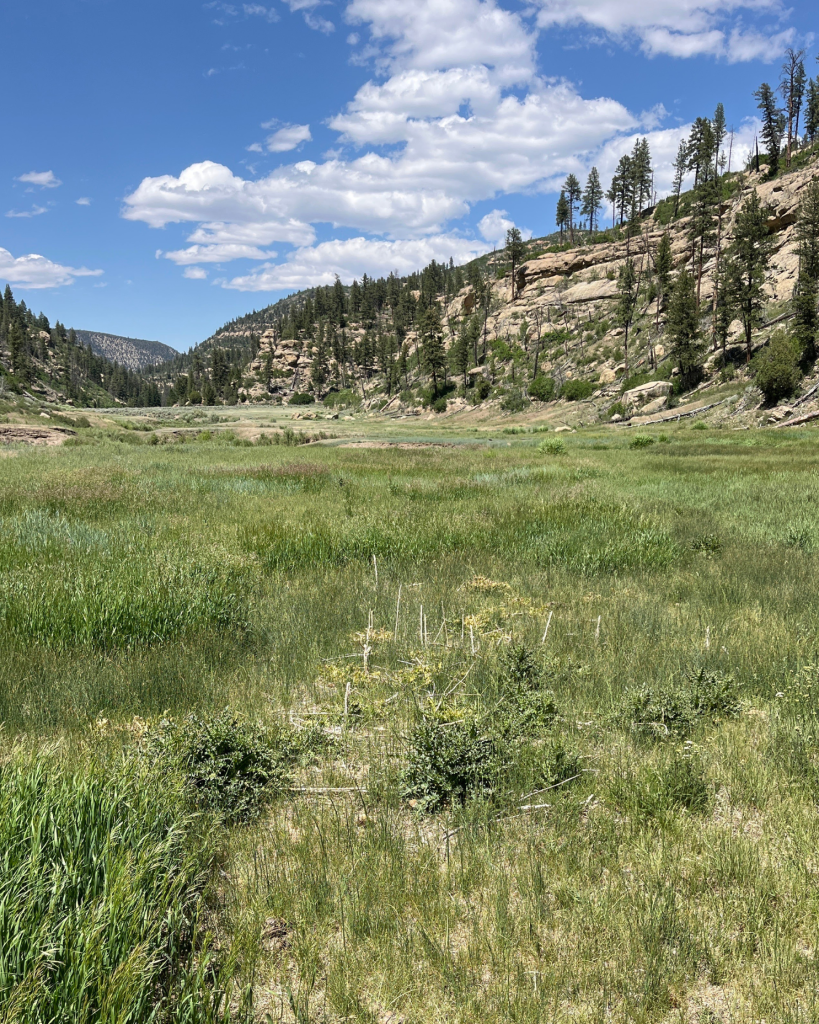
The Utah Division of Wildlife Resources acquired a 50,608-acre parcel in the roadless area of northern Grand County from the Trust Lands Administration (TLA), which manages land on behalf of Utah’s public schools.
The property will be added to the existing 6,929-acre Little Creek Wildlife Management Area and renamed the Book Cliffs Roadless Wildlife Management Area.
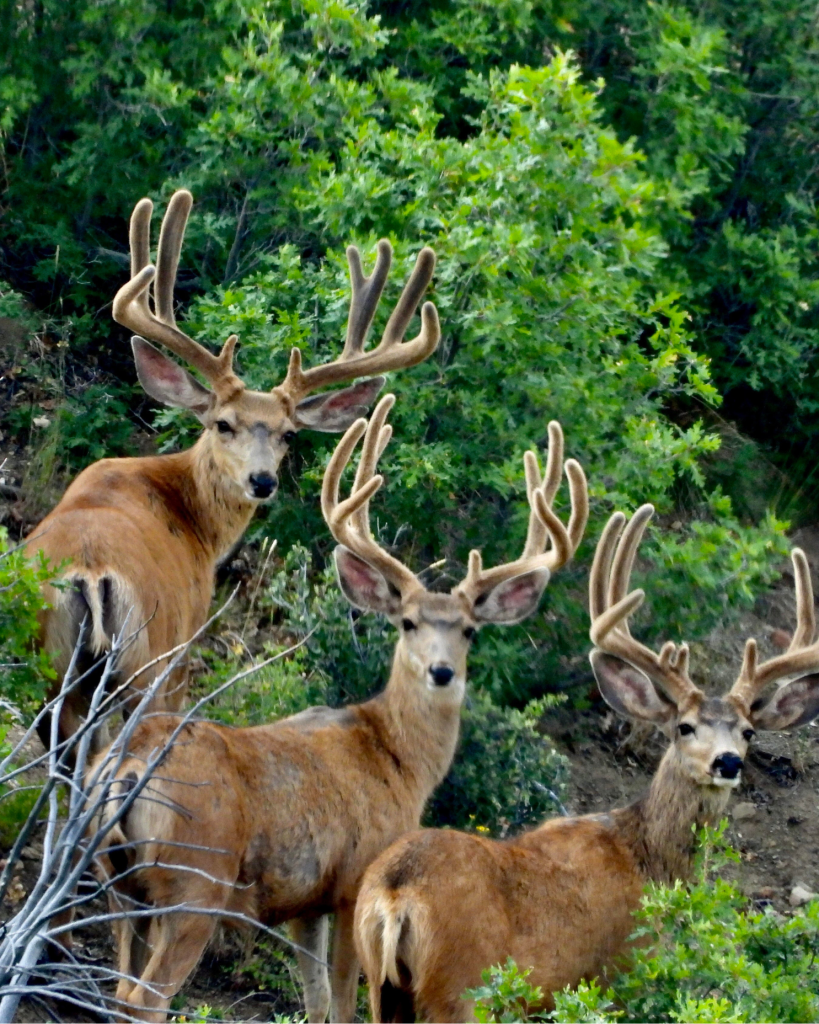
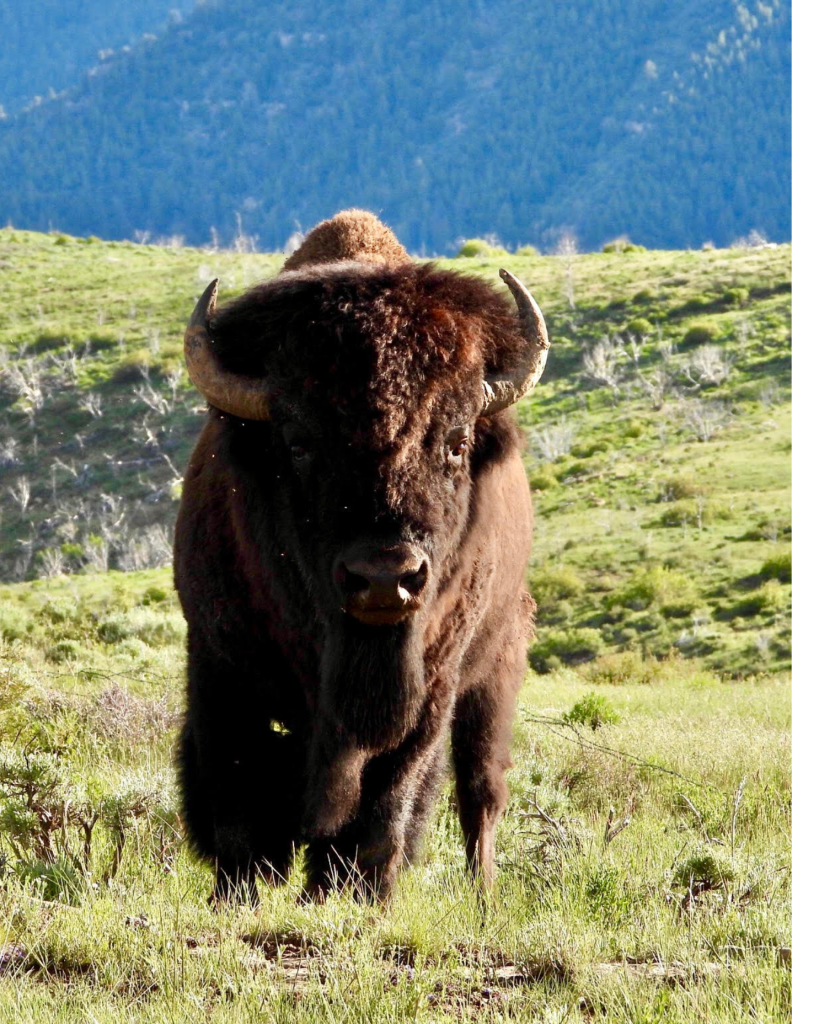
The Book Cliffs are among Utah’s most rugged and remote landscapes, home to deer, elk, bison, black bear, and Colorado River cutthroat trout. The acquisition makes Utah one of the largest land purchasers for wildlife conservation in recent state history.
What Utah Laws Made the Book Cliffs Purchase Possible?
In 2024, the Legislature passed House Bill 262, sponsored by Rep. Casey Snider, creating a streamlined process allowing the Trust Lands Administration to transfer large, contiguous land blocks directly to the Utah Department of Natural Resources – as long as the department pays fair market value.
That change removed a key bureaucratic barrier that had previously made purchases like this difficult. During the 2025 session, the Natural Resources, Agriculture, and Environmental Quality Appropriations Subcommittee approved a $50 million one-time transfer from the Public Education Economic Stabilization Account, plus $12 million ongoing from the Wildlife Resources Restricted Account, specifically to purchase Trust Lands parcels for the Department of Natural Resources. The Book Cliffs property was among the first identified.
How Does the Book Cliffs Land Purchase Benefit Utah Schools?
The purchase benefits Utah’s public school trust fund – not just hunters and outdoor enthusiasts. The Trust Lands Administration’s mission is to generate revenue for Utah’s K-12 schools, and this sale converts a remote, difficult-to-develop parcel into immediate financial returns.
Nearly $30 million from the sale will flow directly into the Permanent State School Fund, generating annual distributions to public schools for years to come.
“We are committed to helping Utah students succeed and ensuring they have the resources and opportunities they need to thrive,” Snider said, “while also preserving the public lands and outdoor opportunities that are such an important part of our state.”
Trust Lands Executive Director Michelle McConkie noted that fair market value for this property, invested in the permanent fund, is expected to produce stronger, more reliable returns than continued ownership of a remote parcel.
Importantly, the TLA retains all subsurface mineral rights, preserving the potential value of the mineral estate for beneficiaries in the future.
Who Benefits From Utah's Book Cliffs Public Land Acquisition?
Hunters and anglers gain permanent, protected access to one of the state’s premier big game areas – habitat for elk, deer, bison, and black bear that was previously managed for revenue, not recreation.
Utah’s public school students benefit from the school trust fund infusion with the $30 million investment expected to generate reliable annual distributions for generations. Wildlife and habitat will now receive direct management from DWR’s wildlife biologists and habitat managers, prioritizing long-term ecosystem health rather than revenue goals.
The general public retains access to lands they have enjoyed for decades – now permanently protected from development or sale to private interests. Currently, Utah has 150 wildlife management areas statewide, providing critical winter range and feeding grounds for big game species and helping minimize wildlife depredation on private property.
Frequently Asked Questions About Utah's Book Cliffs Land Purchase
Can the public still access the Book Cliffs after this purchase?
Yes. Under Division of Wildlife Resources ownership, the Book Cliffs Roadless Area will be open to public hunting, fishing, and wildlife-based recreation. Unlike Trust Lands, which are managed primarily for revenue generation, DWR-managed lands are maintained for wildlife conservation and public access.
What wildlife lives in the Book Cliffs area?
The Book Cliffs Roadless Wildlife Management Area provides habitat for deer, elk, bison, black bear, Colorado River cutthroat trout, and many other wildlife and bird species. DWR wildlife biologists and habitat managers will actively manage the land to support these populations long-term.
How does the Book Cliffs land purchase support Utah's public schools?
The purchase strengthens the school trust fund. The Trust Lands Administration received fair market value for the property, and nearly $30 million flows into the Permanent State School Fund. Selling a remote land asset for cash that earns reliable investment returns is consistent with the TLA’s fiduciary duty to Utah schoolchildren.
What bills enabled Utah to purchase the Book Cliffs parcel?
In 2024, HB 262 created the streamlined transfer process allowing direct sales from the Trust Lands Administration to the Department of Natural Resources. The 2025 Legislature then appropriated $50 million to fund land purchases, making the Book Cliffs acquisition possible.